

Indian classical and traditional dance forms have developed through generations of individual gurus, performers and cultural communities. Yet there are occasions when bringing numerous artists together can create a different kind of artistic experience—one that highlights collective participation, shared heritage and the strength of India’s diverse dance traditions. Maha Brunda Nrityam, associated with the International Traditional Dance Congress (ITDC), represents this collective approach to traditional performance.
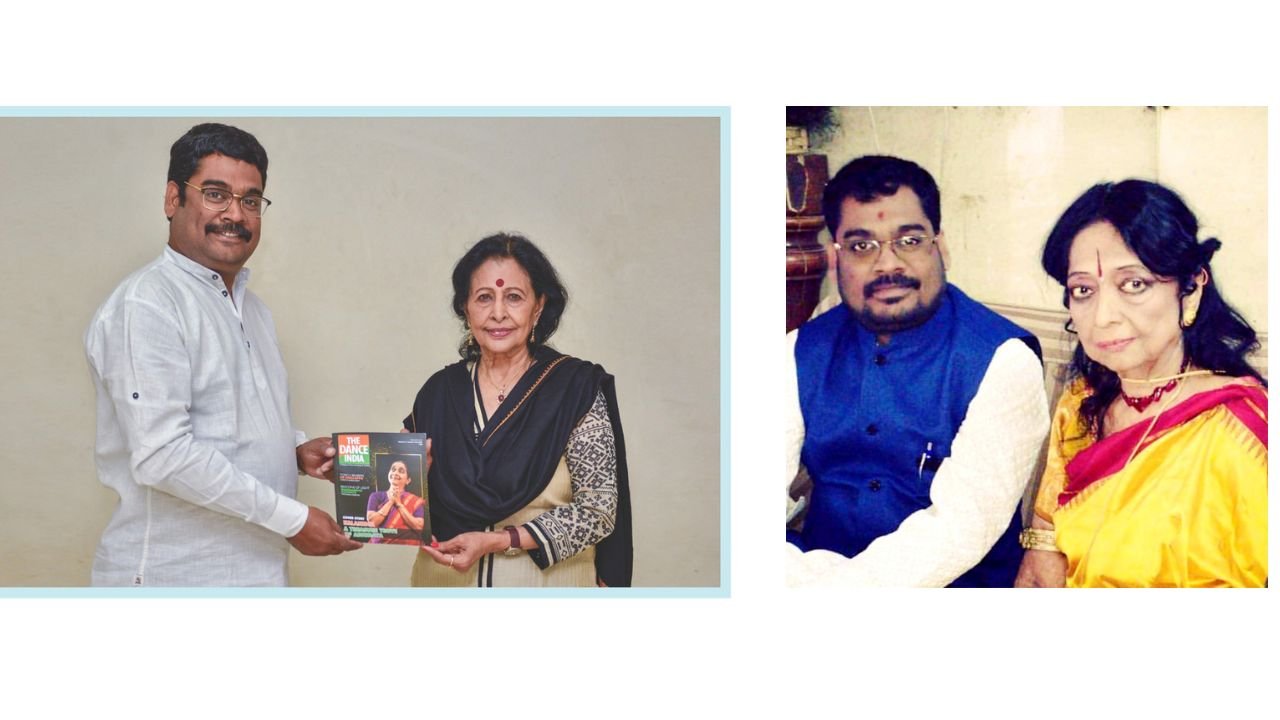
The initiative forms part of the wider cultural vision associated with Kuchipudi exponent, choreographer and cultural organiser Vikram Kumar B R, popularly known as Bathina Vikram Goud. His work across dance, theatre, festivals, education and cultural documentation has consistently focused on creating platforms through which traditional arts can be performed, studied and transmitted.
Maha Brunda Nrityam is particularly significant because of its emphasis on collective presentation. Instead of focusing exclusively on an individual dancer or a single performance, a large-scale production can bring practitioners together around a common artistic concept. Such presentations can demonstrate how traditional dance can function both as an individual discipline and as a collective cultural expression.
The concept also complements the objectives of the International Traditional Dance Congress, which brings together performers, teachers, scholars, young artistes and cultural representatives. The congress is designed not only around performances but also around workshops, seminars, research presentations, competitions and cultural interaction.
Within this environment, a collaborative production such as Maha Brunda Nrityam can provide artists with an opportunity to work beyond the boundaries of individual presentations. Collective choreography demands coordination, discipline and an understanding of how different performers contribute to a unified artistic composition.
For young dancers, participation in such productions can offer valuable professional experience. Performing as part of a large artistic group requires attention to timing, spatial awareness, rehearsal discipline and coordination with fellow performers. These lessons can complement the technical training received from gurus and dance institutions.
The initiative also has an important cultural dimension. Traditional dance is often associated with specific regions, communities and lineages. A collective production can bring these artistic identities into a shared space, encouraging performers and audiences to appreciate the wider diversity of India’s traditional performing arts.
Vikram Kumar B R’s approach to cultural preservation provides an important context for this kind of initiative. His philosophy emphasises that preserving heritage involves much more than retaining choreography. Literature, music, repertoire, performance practices, teachers, practitioners, historical knowledge and documentation all contribute to the identity of an art form.
Large-scale collaborative performances can therefore become more than spectacles. They can create occasions for artists to meet, exchange experiences and develop a sense of collective responsibility toward their traditions.
The connection with ITDC is also significant because the congress places importance on dialogue. Traditional arts need spaces where practitioners can discuss their history, teaching methods, challenges and future. Performance provides a practical expression of these discussions, allowing artistic ideas to move from conversation to the stage.
Such initiatives can also help introduce traditional dance to wider audiences. A large collective presentation may attract viewers who are unfamiliar with particular dance forms and encourage them to explore the individual traditions represented within the production.
For the cultural ecosystem, the value of collective projects lies in their ability to connect people. Artists meet other artists, students encounter experienced performers, and audiences experience traditions in a shared setting. These connections can continue beyond a single programme.
Maha Brunda Nrityam consequently represents the collective spirit of the traditional arts movement associated with Vikram Kumar B R’s wider cultural activities. It demonstrates how performance can become a meeting point for artistic practice, cultural identity and intergenerational participation.
As traditional dance continues to adapt to contemporary cultural conditions, maintaining a sense of community among practitioners remains essential. Individual excellence will always be important, but collective initiatives can strengthen the networks that allow traditions to survive.
Through platforms such as the International Traditional Dance Congress and collaborative productions such as Maha Brunda Nrityam, the emphasis shifts from viewing traditional dance as a collection of separate performances to recognising it as a shared cultural heritage.
The result is a celebration that places artists, traditions and audiences within the same cultural framework—helping demonstrate that India’s traditional dance heritage can remain vibrant when practitioners come together to perform, learn, collaborate and pass their knowledge forward.