


In professional kitchens, technical cooking skills are only part of the requirement. Real-world performance depends on discipline, coordination, timing, and system understanding.
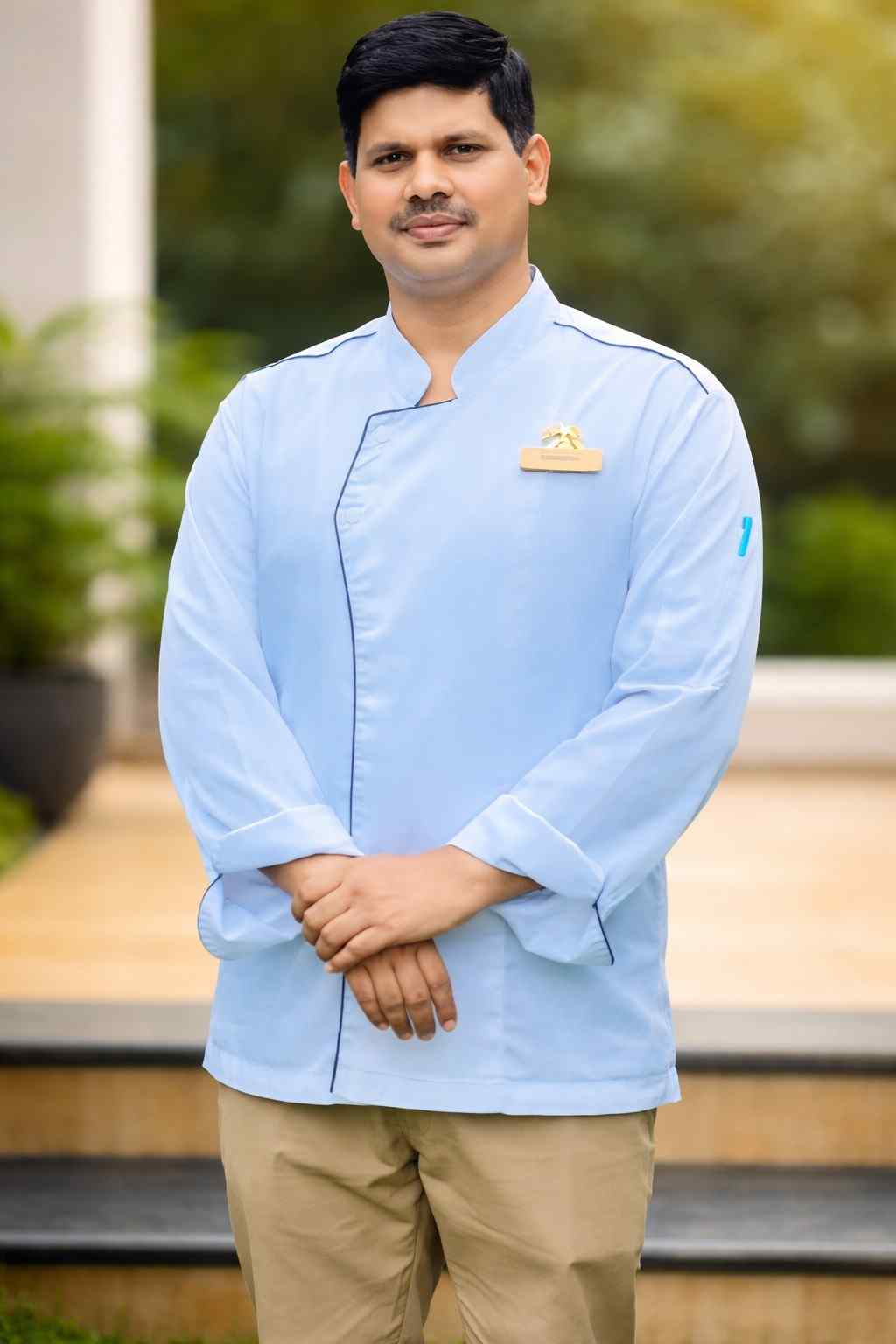
Chef Mahesh Mahto emphasizes that traditional culinary training often focuses too heavily on cooking techniques while ignoring operational reality.
The Gap Between Training and Reality
Many chefs enter kitchens highly skilled in cooking but unprepared for:
- High-pressure environments
- Fast-paced decision-making
- Multi-station coordination
- Service timing constraints
This gap creates early performance struggles.
Why Cooking Skills Alone Are Not Enough
A chef may be excellent at preparing individual dishes, but kitchens operate as systems, not isolated tasks.
Success depends on:
- Synchronization with other stations
- Adherence to timing schedules
- Consistency under pressure
- Communication efficiency
Without these, even skilled chefs struggle.

Training as System Integration
Modern training must integrate chefs into systems, not just teach recipes. This includes:
- Understanding workflow structure
- Learning station responsibilities
- Practicing timed execution
- Adapting to real service conditions
This prepares chefs for actual operational environments.
Repetition Builds Confidence
Repetition is essential in training. It allows chefs to internalize processes so they can perform under pressure without hesitation.
Chef Mahto highlights that confidence in kitchens comes from repetition, not theory.
Simulated Pressure Training
One of the most effective training methods is simulation. By recreating peak service conditions, chefs learn how to operate under stress.
This helps them develop:
- Speed control
- Focus retention
- Decision-making clarity
Communication Training
Communication is often overlooked in culinary education. However, it is critical for kitchen success.
Training must include:
- Clear verbal protocols
- Order confirmation practices
- Hierarchical communication structure
Behavioral Adaptation
Training is not just technical—it is behavioral. Chefs must adapt to discipline, timing, and teamwork expectations.
This behavioral alignment ensures smoother kitchen operations.

Conclusion
Chef Mahesh Mahto’s approach to training highlights a key shift: kitchens do not need only better cooks—they need better operators. When training reflects real operational conditions, performance becomes more stable and predictable.
Media Coverage & External Links
Read the full feature:
Interview:
Also featured in The Literature Times:
Get Your Copy
The pass is open.
- Amazon — https://lnkd.in/gh__9vkJ
- Flipkart — https://lnkd.in/gVcFjHTa
- Astitva Store — https://lnkd.in/gpmc_vpp
- Classic Shelf — https://lnkd.in/g7_k4TpW