

Find the best autism specialist in Patna offering advanced child development therapy for kids. Our approach focuses on improving speech, behavior, and social skills through personalized treatment plans. Early intervention plays a key role in helping children achieve better outcomes. We provide complete support to parents, ensuring consistent progress both at home and in therapy sessions. With expert guidance and proven methods, your child can develop essential life skills.
 For consultation or to share patient details, connect via WhatsApp at 9437164832
How to Handle Autism Behavior Problems in Children Effectively
Handling behavior problems in children with autism is one of the most common and challenging concerns for parents and caregivers. Many families struggle to understand why their child shows sudden tantrums, repetitive actions, aggression, or withdrawal. Questions like “Why does my child behave this way?” or “How can I manage autism behavior at home?” are frequently searched online. Autism, or Autism Spectrum Disorder (ASD), affects how children process information, communicate, and respond to their environment. Because of these differences, behavior in children with autism is often a form of communication rather than intentional misbehavior. Understanding this key point can completely change the way parents respond and manage these situations.
Children with autism may not always have the ability to express their needs, emotions, or discomfort through words. As a result, behaviors such as crying, shouting, hitting, or repetitive actions can be their way of communicating something important. For example, a child who throws objects may be feeling overwhelmed, frustrated, or unable to express a need. Similarly, a child who withdraws or avoids interaction may be experiencing sensory overload or anxiety. Instead of viewing these behaviors as problems to be punished, it is more helpful to see them as signals that require understanding and guidance. When parents begin to identify the reasons behind behavior, they can respond more effectively and support their child in a positive way.
One of the most important steps in managing autism behavior is identifying triggers. Every behavior has a cause, and understanding what triggers certain reactions can help prevent them in the future. Common triggers include loud noises, bright lights, changes in routine, unfamiliar environments, or communication difficulties. For instance, a child may become upset in crowded places due to sensory overload, or they may react strongly when their daily routine is disrupted. Observing patterns and keeping a simple record of when and where behaviors occur can help parents identify these triggers. Once the triggers are understood, steps can be taken to reduce or avoid them, creating a more comfortable environment for the child.
Communication plays a central role in behavior management. Since many children with autism struggle with verbal communication, improving their ability to express themselves can significantly reduce frustration and challenging behavior. Using simple and clear language, along with visual aids such as pictures or gestures, can help the child understand instructions better. Giving the child enough time to process and respond is equally important. Rushing or repeating instructions too quickly can increase confusion and stress. Encouraging alternative forms of communication, such as pointing, using picture cards, or simple words, can help the child express their needs more effectively, reducing the likelihood of behavioral outbursts.
Consistency and routine are powerful tools in managing autism behavior. Children with autism often feel more secure when their daily activities follow a predictable pattern. A structured routine reduces anxiety and helps the child understand what to expect. Simple practices such as having fixed times for meals, study, play, and sleep can create a sense of stability. When changes are necessary, preparing the child in advance can help them adjust more easily. For example, explaining a change in routine using visual cues or simple language can reduce stress and prevent negative reactions. Consistency in rules, communication, and responses also helps the child learn what is expected of them.
Positive reinforcement is one of the most effective strategies for encouraging good behavior. Instead of focusing on what the child is doing wrong, parents should focus on recognizing and rewarding positive actions. For example, if a child follows an instruction, communicates a need, or behaves calmly in a challenging situation, immediate praise or a small reward can reinforce that behavior. Over time, the child learns that positive actions lead to positive outcomes, which encourages them to repeat those behaviors. Rewards do not have to be material; simple praise, a smile, or extra playtime can be highly motivating.
It is also important to teach alternative behaviors. If a child is using challenging behavior to communicate, parents can guide them toward more appropriate ways of expressing themselves. For example, if a child cries when they want something, they can be taught to use a simple word or gesture instead. This process takes time and patience, but it is essential for long-term behavior improvement. Repetition and practice are key, as children with autism often need multiple opportunities to learn and apply new skills.
Creating a calm and supportive environment can significantly reduce behavior problems. A space that is free from excessive noise, clutter, or distractions helps the child feel more relaxed and focused. Providing a quiet area where the child can go when they feel overwhelmed can be very helpful. This space can include comforting items such as soft toys, calming lights, or sensory tools. A peaceful environment not only reduces stress but also supports better emotional regulation.
Emotional support and understanding are at the heart of effective behavior management. Children with autism may struggle to understand and regulate their emotions, which can lead to frustration or anxiety. Parents should remain calm and patient during challenging situations, as reacting with anger or frustration can escalate the behavior. A calm and reassuring approach helps the child feel safe and supported. Over time, this emotional stability can improve the child’s ability to manage their own reactions.
Professional therapies can provide additional support in managing behavior. Behavioral therapy, particularly Applied Behavior Analysis (ABA), is widely used to teach positive behaviors and reduce challenging ones. Speech therapy can improve communication skills, while occupational therapy can address sensory sensitivities and daily living skills. These therapies provide structured techniques that parents can continue to use at home, ensuring consistency and effectiveness.
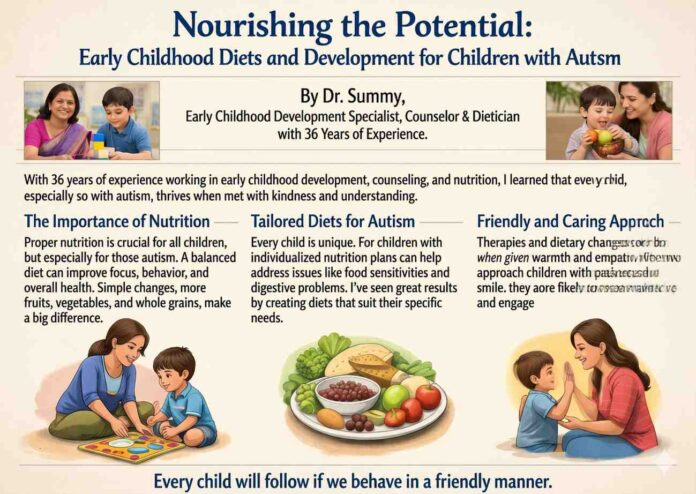
Lifestyle factors also play a role in behavior management. A balanced diet, proper sleep, and regular physical activity contribute to overall well-being and can reduce irritability and hyperactivity. Lack of sleep or poor nutrition can make it harder for children to regulate their emotions and behavior. Establishing healthy habits supports both physical and emotional development, making it easier to manage behavior.
Parents should also remember to take care of themselves. Managing autism behavior can be demanding, and caregiver stress can affect the entire family. Taking breaks, seeking support from family or professionals, and staying informed about autism can help parents maintain a positive and balanced approach. A calm and confident parent is better equipped to handle challenges and provide effective support.

If behavior problems become severe or difficult to manage, seeking professional guidance is an important step. Early intervention and expert support can help identify underlying issues and provide tailored strategies for improvement. For guidance or to share patient details, you can connect via WhatsApp at 9437164832.
In conclusion, handling autism behavior problems requires understanding, patience, and the right strategies. Behavior should not be seen as a problem to be punished but as a form of communication that needs to be understood. By identifying triggers, improving communication, maintaining consistency, and providing emotional support, parents can create a positive environment that encourages better behavior. Progress may take time, but with consistent effort and care, children with autism can develop the skills they need to manage their behavior and interact more effectively with the world around them. Every step forward, no matter how small, is a meaningful achievement in the journey of growth and development.